

How to start
Welcome to Little Tesla Pediatric Therapy
Choosing therapy for a child is an important step, and it often comes with questions and uncertainty. At Little Tesla Pediatric Therapy, the goal is to make getting started simple, transparent, and supportive from the very first contact.
From the initial call to the first therapy session, families are guided step by step. The focus is on understanding each child, answering questions clearly, and creating a plan that truly fits the child and family.
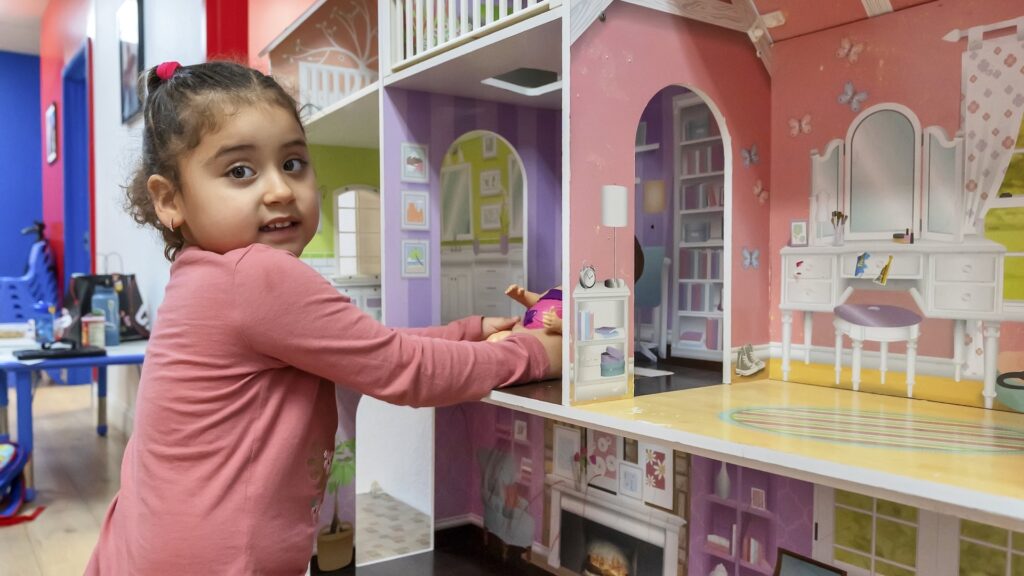
What Happens When You Reach Out
Step 1. Contact Us
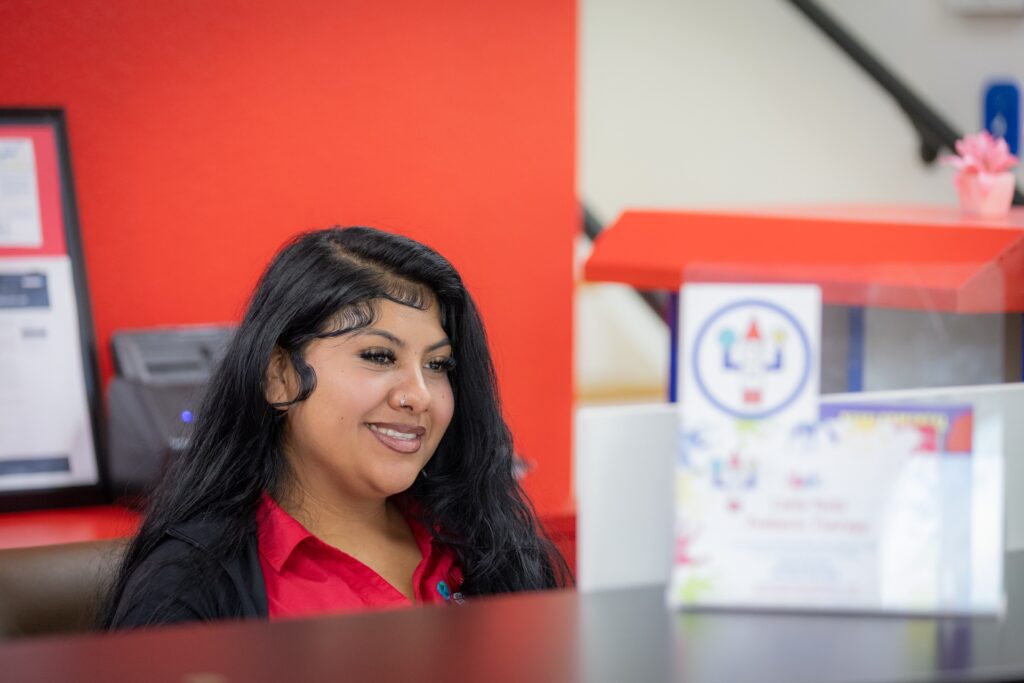
Families can reach out by phone, email, or online form. An intake call is scheduled to learn more about the child and explain the next steps.
Phone. (Insert phone number)
Email: info@littleteslapediatrics.com
Step 2. Intake and Insurance Verification
The administrative team collects basic information and verifies insurance coverage before services begin.
Accepted insurances include:
Cigna, United Healthcare, Web TPA, Evolutions Healthcare, Blue Cross Blue Shield, Tricare, Medicaid, Aetna, Sunshine Health, Healthy Kids, and CMS.
Step 3. Evaluation Appointment
The child meets with one or more licensed therapists for a comprehensive evaluation. Strengths, challenges, and current needs are identified through play-based and age-appropriate activities.
Step 4. Review and Plan
Results are reviewed with the family, recommendations are discussed, and a personalized therapy plan is created with clear short-term and long-term goals.
Step 5. Start Therapy
Therapy begins as soon as possible. Sessions may take place in the clinic, at home, or virtually, depending on what works best for the family.
There is no waitlist for selected services.
What to Expect at Your First Visit
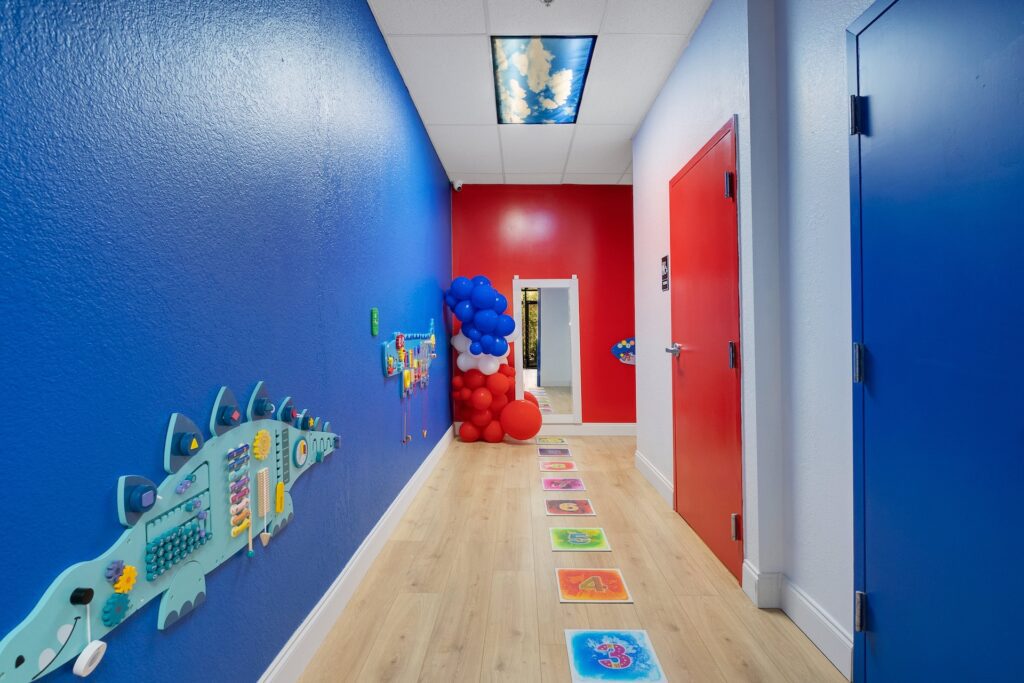
Every first visit is designed to help the child feel safe, supported, and understood. The environment is welcoming and sensory-aware, and sessions focus on connection as much as assessment.
Parents are encouraged to share concerns, observations, and goals. Therapists explain what they see, how progress will be measured, and what the next steps will look like.
What the First Visit Looks Like by Service
Occupational Therapy (OT)
The first OT session focuses on understanding the child’s strengths, challenges, and daily routines. Through play-based activities, therapists assess areas such as:
- Fine motor skills, including grasp and handwriting readiness
- Gross motor coordination, balance, and posture
- Visual-motor integration
- Sensory processing and regulation
- Daily living skills such as dressing, feeding, hygiene, and school routines
After the session, the therapist reviews observations with the family and outlines the next steps. A personalized treatment plan is created to support independence, confidence, and participation at home and at school.
Speech-Language Therapy (SLP)
During the first speech and language session, communication skills are evaluated through engaging, age-appropriate activities. Depending on the child’s needs, the evaluation may include:
- Speech sound production and clarity
- Language understanding and expression
- Social communication and conversational skills
- Early communication and play skills
- Feeding or oral-motor abilities
Parents play an important role in this process. Therapists explain findings in clear, simple terms and recommend a therapy plan tailored to the child’s communication goals.
Applied Behavior Analysis (ABA)
ABA services begin with a comprehensive intake and assessment led by a Board Certified Behavior Analyst (BCBA). The focus is on understanding the child’s behavior patterns, learning style, interests, and daily routines.
Information may be gathered through parent interviews, record reviews, and play-based observations. Areas of focus often include:
- Communication and social interaction
- Daily living skills and routines
- Emotional regulation and coping strategies
- Behavior support needs
- Motivation and reinforcement preferences
Following the assessment, families receive a personalized Behavior Intervention Plan with clear, measurable goals. ABA sessions are structured, positive, and always focused on helping the child build meaningful, functional skills.
How Parents Can Prepare
- Bring insurance information and any previous reports or evaluations.
- Share the child’s interests, routines, and motivators.
- Arrive a few minutes early to allow time to settle in.
There is no expectation for children to behave a certain way during the first visit. Therapists are experienced in helping children feel comfortable, whether they are shy, curious, or hesitant.
Family-Centered Support
Parents are viewed as essential partners in progress. Families receive clear communication, practical tools, and ongoing updates so therapy continues beyond the clinic and into daily life.
“We came in nervous, but the team made us feel instantly at ease. Everything was explained clearly, and our child was treated like family.”
Parent, Orlando
Ready to Begin?
There is no waitlist for selected services, only a team ready to support each child’s growth, one step at a time.